

Teaching with Intention: Building Inclusive and Equitable Classrooms
Classrooms where educators values and uplift differences, create safe spacers where students feel seen, respected and supporting in their learning.
Educators today face many challenges, whether it be increased class sizes, adjusting to being back in the classroom after a global pandemic, or even protecting their own mental health, they never know what their class will look like each year. Classrooms are made up of students with different identities, abilities and lived experiences. Educators may feel unsure of how to best recognize, support and uplift all of their students, however, inclusion and diversity are not just ideals, they are essential to students feeling safe, supported and confident at school.
Together we’ll explore why inclusion and diversity matter, practical strategies educators can use to foster inclusive learning environments, and how building a culture of respect that seeks to support all students.
What Inclusion and Diversity matter
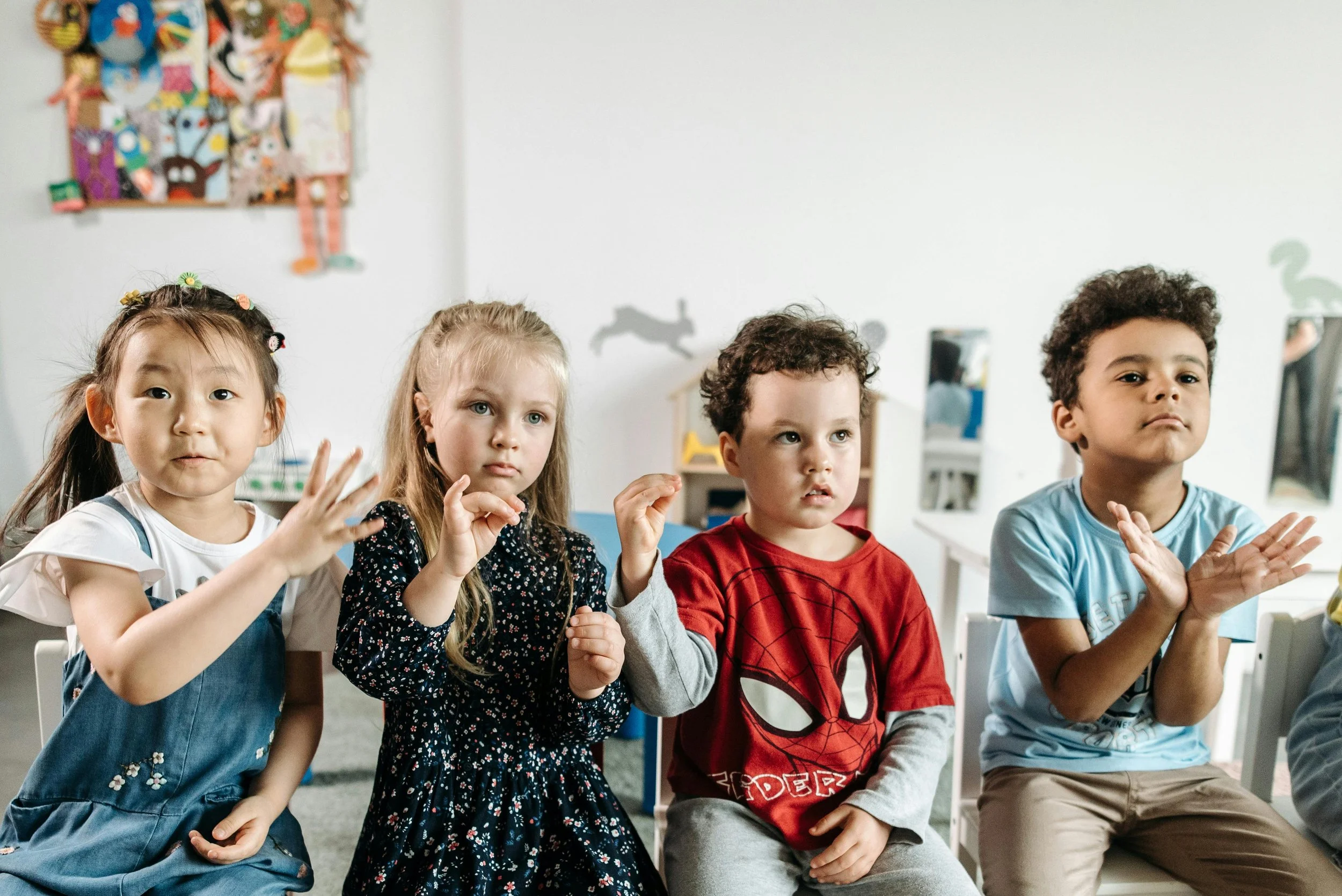
Diversity in a broad sense refers to the differences within a group, whether this be identity, background, socioeconomic status or ability; classrooms are often quite diverse and may vary every year. Inclusion, takes this a step further to ensure that everyone feels welcome, supported and that they are safe to participate in their learning [5]. However, an important note is that inclusion focuses on equity, not equality. Equity refers to students receiving the supports they need to succeed, rather than equality, where students would receive the same supports regardless of their individual needs. A great example educational equity is an individual education plan (IEP). An IEP is a plan that address specific learning needs, which allows for students to feel supported in the classroom; this plan may include specific accommodations, modifications or support from other professionals such as child and youth care workers or education assistants [3].
Children spend a substantial amount of their developmental years in classroom, and because of this classrooms are a powerful environment to foster inclusivity, diversity and acceptance. When students see their educators respect and uplift diversity they start to develop cultural awareness, openness and acceptance; which is closely linked to engagement in the classroom and student self-esteem [5]. Most of all, it supports a sense of belonging, helping students build peer relationships and positive connections. However, when students feel excluded or not valued, as a result of their identity, culture or disability, it can negatively impact their self-esteem, academic engagement and overall well-being [5].
Building a Culture of Respect
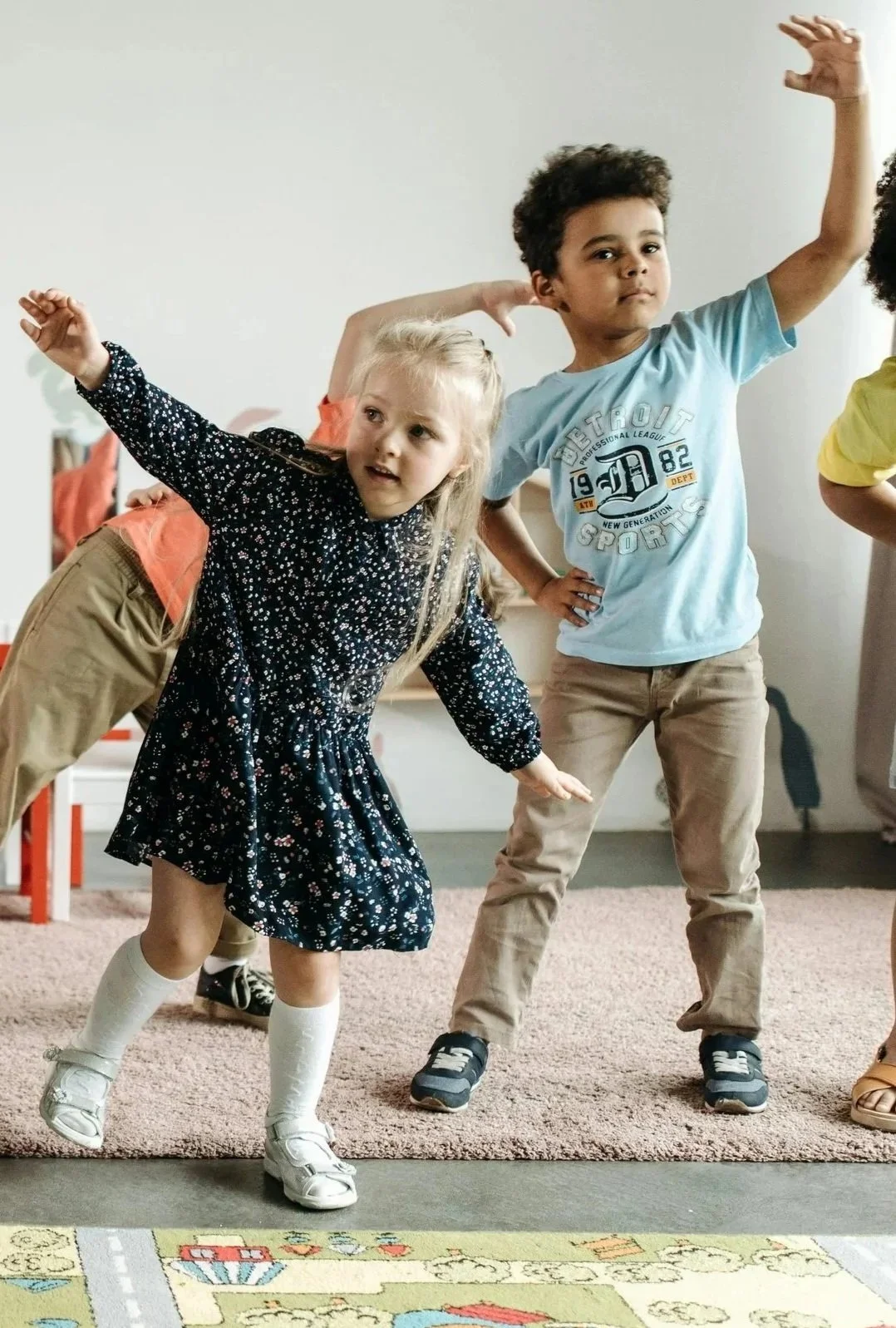
Creating an inclusive classroom culture requires consistency, not a single conversation. Over time, day-to-day interactions shape how students treat their peers, helping them see their differences as strengths. When educators foster inclusivity in classroom expectations and communication, they build a safe learning environment where students respect, value and hear each other.
Modelling Acceptance
Children absorb what they see, and that starts with educators who celebrate diversity and inclusion. Educators model acceptance through their language and behaviours, this may include: respecting a child’s preferred name and pronouns, pronouncing student names correctly, validating diverse experiences, addressing exclusionary behaviours, avoiding assumptions and fostering non-judgemental curiosity [1].
Seeing Differences as Strengths
Inclusive classrooms value the unique strengths each student brings, rather than focusing on their limitations. With a strengths-based approach differences in learning styles, experiences, and abilities are not barriers, they are opportunities to adapt and shape the learning environment that highlights and supports their unique abilities [5].
Promoting Belonging
Every child wants to feel like they belong, and a sense of belonging is actually linked to positive academic outcomes. Students are most likely to feel they belong when they feel respected, safe and valued by their educators and their peers. Educators that encourage open dialogue about identity, culture, and differences help to normalize that diversity is a natural part of life and inclusion helps everyone to feel they belong [4].
Practical Strategies for Educators
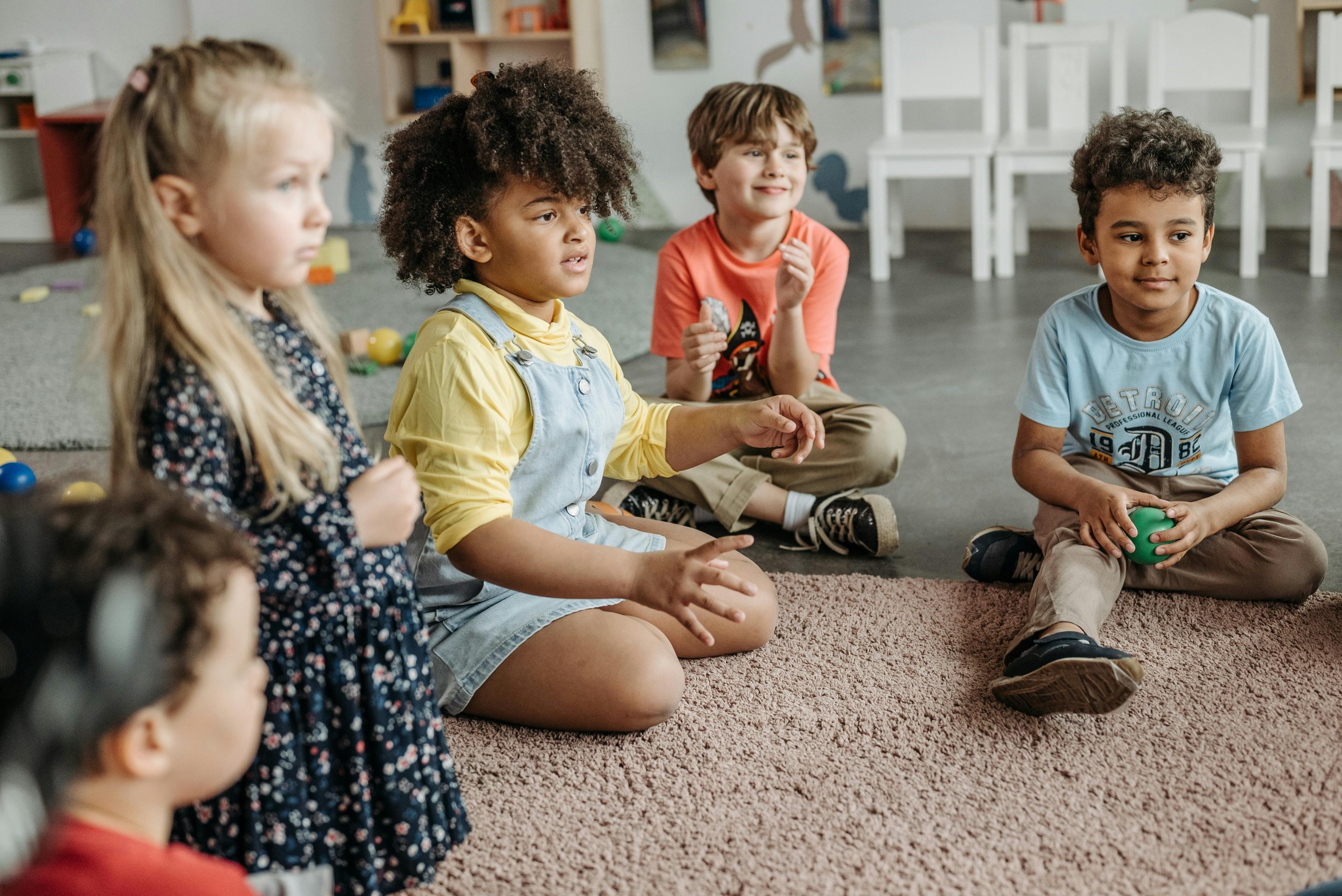
Creating inclusive classrooms takes reflection, intention and consistency. Inclusion doesn’t mean educators always have right answers or never making mistakes, it means taking the time to notice who may be left out and how to make thoughtful adjustments. When educators take time to reflect and approach inclusion with intention, they are able to listen, learn, and respond to students’ diverse needs.
Here are three ways educators can help build a more inclusive classroom over time:
-
Culturally responsive and relevant pedagogy (CRRP) emphasizes the importance of students seeing themselves reflected in their learning. Whether this be through language, culture, experiences or identities, students benefit when they are able to connect to their learning materials. Educators may seek to include diverse authors, visuals or scenarios when creating lesson plans [2].
-
Open and respectful dialogue help to create inclusive classrooms that prioritize student voices and experiences. When students are encouraged to share their perspectives and ideas, educators show that their voice is important and their thoughts matter. Not only does this support confidence in the classroom, but also in fostering belonging [4]. Educators may choose to create structured opportunities for discussion, whether this be as a class, in group collaboration or personal reflection, this gives everyone a change to share in the way that feels best.
-
Bias existing in learning environments, even if it is unintentional. Educators play a meaningful role in naming and addressing bias when it is identified. It is important that educators be reflective practitioners who take the time to sit with their own identities, assumptions and experiences. This allows them to better understand how they show up in the classroom and reduce the risk of bias or discrimination in the classroom. Addressing bias in an age appropriate way, supports students engaging openly and respectfully [2].
Final Thoughts
When educators create inclusive classrooms, they support the development of compassionate learnings who feel like they belong.
Inclusion and diversity are essential to students feeling safe, supported and respected within the classroom. Educators have an important role in shaping young minds, when they model respect, embrace and celebrate diversity, students are better set up for success. Through consistent, daily practices, inclusive classrooms become the norm, where students are able to thrive both academically and emotionally.
-
[1] Johnson-Meyer, T. (2023, August 13). Guide for inclusive teaching. Queen’s University. https://educ.queensu.ca/community/equity-diversity-inclusion-decolonization-indigenization-accessibility-and-anti-racism/Guide-for-Inclusive-Teaching
[2] Ontario Ministry of Education. (n.d.). Human rights, equity and inclusive education. https://www.dcp.edu.gov.on.ca/en/program-planning/considerations-for-program-planning/human-rights-equity-and-inclusive-education
[3] Ontario Ministry of Education & York Region District School Board. (2014). Equity and inclusive education in Ontario schools: Guidelines for policy development and implementation (PDF). York Region District School Board. https://www2.yrdsb.ca/sites/default/files/migrate/files/inclusiveguide.pdf
[4] Parekh, G., & Underwood, K. (2015, December). Inclusion: Creating school and classroom communities where everyone belongs. Research, tips, and tools for educators and administrators. (Research Report No. 15/16‐09). Toronto, Ontario, Canada: Toronto District School Board. https://www.tdsb.on.ca/Portals/research/docs/reports/Inclusion_Creating%20Classroom% 20and%20School%20Communities.pdf
[5] Southern Cross University. (n.d.). The importance of diversity and inclusion in the classroom. https://online.scu.edu.au/blog/importance-diversity-inclusion-classroom
