

No Shame, Just Support: Having Healthy Conversations About Mental Health
When kids learn early that emotions are nothing to hide, they grow up knowing it’s okay to ask for help.
Talking about mental health with children can feel intimidating for parents and educators. Whether you worry about saying the wrong thing, or that having conversations about mental health will introduce unneeded stress. By creating a safe space where mental health is spoken about in a kind way, children grow up with the understanding that there is nothing to be ashamed of. Children who experience judgement free conversations about emotions are more likely to develop resilience, empathy and confidence.
When parents and educators hold space for questions and honest dialogue, it helps to reduce the stigma that surrounds mental health, and normalizes that mental health and big emotions are a normal part of life.
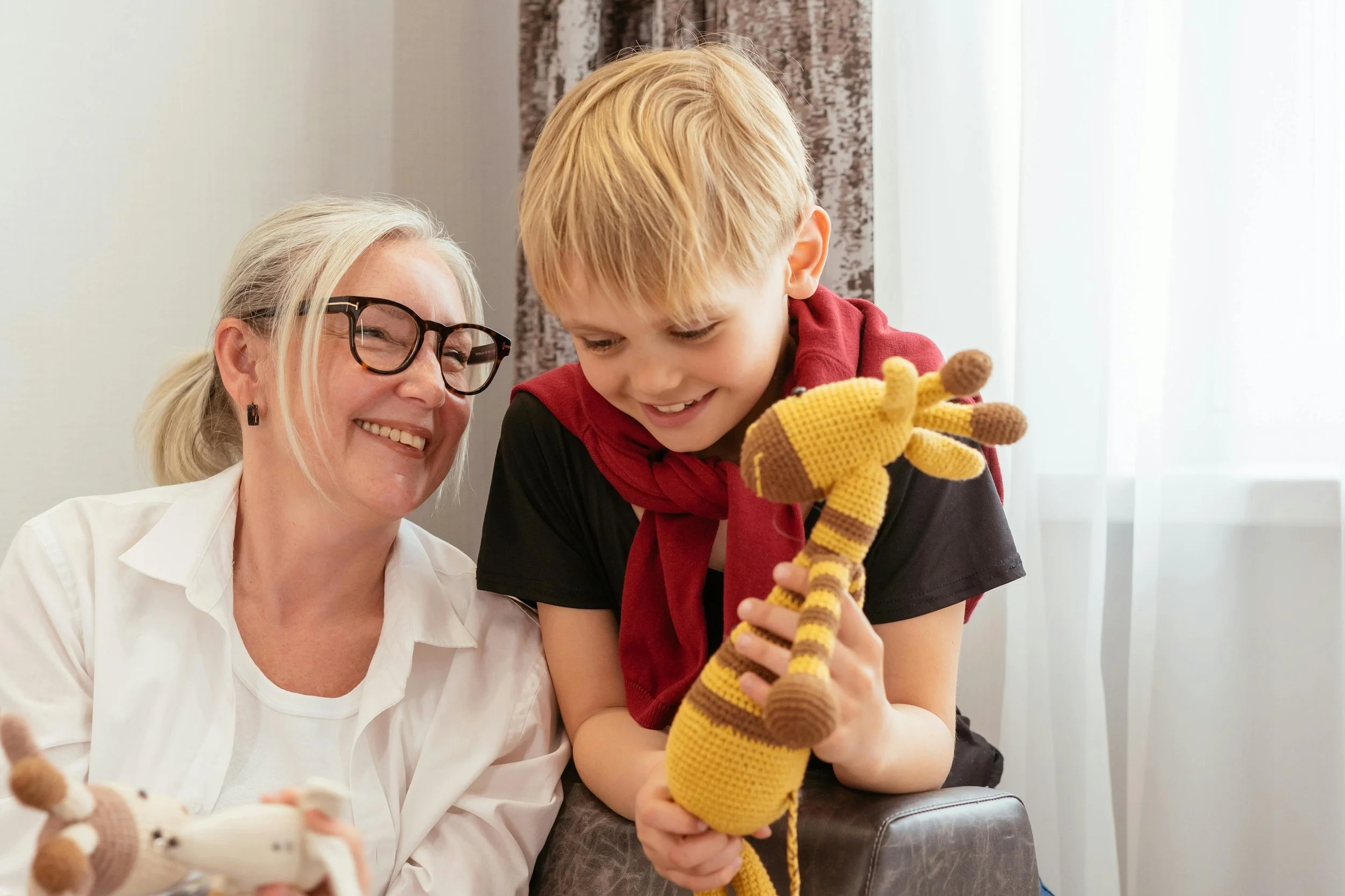
Breaking the Stigma Early
Children learn by watching the adults around them, how they talk about mental health, or don’t, is important. How adults present their thoughts and opinions will shape how kids process and think about their own emotions. If we treat emotions such as sadness, stress, or anxiety as things to be hidden, then we contribute to the potential development of shame as children may feel they are not safe in expressing their feelings. It is vital that parents and educators model empathy, non-judgmental behaviours and use appropriate language when addressing mental health. For example, when exploring emotions or discussing mental health, avoid using words like “crazy” or “nuts”. Instead, approach conversations with kindness such as “It’s great to hear they’re getting help” or “I’m so glad they reached out to me”, mental health is just as valid as physical health and children need to know that [3].
Ending stigma also means changing how we talk about our own thoughts and feelings, towards mental health. It is just as important for adults to check in with their own thoughts and feeling, ask yourself these questions:
What was were you raised to believe about mental health, was it talked about in your household?
What do you believe about mental health today?
When you are experiencing big feelings, how do you process them?
One of the best ways to reduce stigma is by showing that mental health challenges and big emotions are not a sign of weakness, but a completely normal human experience [2]. Children often learn very quickly through modelling, when the adults in their life treat emotions with compassion instead of shame, they learn to do the same.
What can you do during daily living? Well, having open conversation is a great place to start, when you are experiencing a big emotion, name it. If appropriate you may even invite them to share their own thoughts or experiences, “I felt really frustrated today when things didn’t go the way I planned, have you ever felt that way?”. This paves the way to further talk about emotional regulation and self-care, because all emotions should be safe to talk about.

Building Trust Through Openness
Now that we’ve explored the importance of breaking the stigma early, we’ll explore the impact of trust and safety when being vulnerable. Children notice when behaviours shift, or an adult is pretending everything is fine. While not always easy, being vulnerable in expressing genuine emotions supports children in being able to do the same.
Parents and educators can model this by acknowledging their emotions appropriately to their environment: a teacher may say “I’m having a hard day today, but it will pass, let’s all take some deep breaths together”. This will vary based on the age of the students and the relationship in the classroom, but the example shows that these feelings are temporary and there are ways to address them. Actions speak louder than words, and by showing emotional regulation as you name your feelings, it supports the development of healthy coping skills [4].
Having conversations about emotions can be helpful when they are more frequent in nature, as it fosters openness and helps to build trust. As children grow they will begin to understand their emotions and mental health differently, by checking in with them as they mature, you help remind them that you are a safe place to share their emotions. Additionally, this support emotionally literacy, as it helps them develop the vocabulary and confidence to express themselves clearly. Overall, trust thrives in consistency, if a child comes to share their emotions with you, thank them for sharing. A single moment of empathy can make them more likely to open up again in the future.
Using Age Appropriate Language
When having conversations about emotions and mental health, it’s important to use language that is appropriate for their developmental level. The language used, and examples given will help them to make sense of what you are trying to convey. For example, the language you would use for a preschooler, would not be to the same depth you would use with a teenager.
Here are a few suggestions of age appropriate language across different developmental stages:
-
At this age it is all about concrete feelings and behaviours. Kids this age understand what they can see: crying, yelling, pouting. Keep explanations clear and reassuring [1], you may say:
“Your friend is sad right now, sometimes when someone is sad they cry, and that is okay”.
-
At this age kids tend to start asking more specific questions about emotional reactions and behaviours. Keep the conversation calm and reassuring, kids this age may need further reassurance that everything is okay and that help is available [1], you may say:
“Sometimes our minds need support the same way our bodies do. If you ever need to talk about your emotions, I’m here to listen or you can talk to another trusted adult.”
-
At this age teenagers are able to handle much more complex discussions about mental health. They have likely began to develop their own understanding of mental health and emotions formed by their peers, media and their environment. This is a great chance to ask them about what they know about mental health, open dialogue helps to clear up any misconceptions [1], you may say:
“Tell me about where you heard ___, how do you feel about that?” or
“Taking care of your mental health is just as important as taking care of your physical health. If you need help better understanding yourself and learning to cope, there are options. Seeing a therapist doesn’t mean something is ‘wrong’ with you, it means you’re working to better understand yourself.”
You can encourage them to reflect on their emotions, if they need support let them know you’re there if needed!
Of course, there are a few constants across all age ranges. Keep your tone calm, warm, and compassionate, use simple and easy to understand language, allow space for silence to focus on their emotions, and don’t have to swoop in to fix the problem for them [4]. It can feel awkward, often parents and educators want to fix the problem, but sometimes a listening ear can be the most healing thing you can offer. Now, if they ask for help, you can certainly lend a hand, but be sure to keep your listening ears open.

Creating a Culture of Care
While parents play a big role in creating space for understanding emotions, schools and communities can help to normalize these conversations. Teaching children about emotions and mental health in the classroom, just like how we teach physical help, will support emotional literacy and reduce the stigma towards mental health [2]. Educators may conduct classroom check-ins, guided mindfulness moments, or lessons that name emotions can supports kids in seeing feelings as manageable, not shameful. Overall, it is important to foster a culture of care, whether it’s through a trusted educator, therapist, or family member, knowing support is accessible can make all the difference for kids.
Final Thoughts
Talking about mental health with children doesn’t require perfection, it requires openness and empathy.
Being open to these conversations is the first step, think about how you can foster a warm and caring environment that is supportive of children’s mental health. When we normalize emotions, use age appropriate, and model vulnerability, we empower children with the belief that feelings aren’t something to hide, but something to explore.
A gentle reminder that these conversations don’t have to be complicated. By checking in, listening, and naming feelings, we teach kids that it’s okay to ask questions and seek support. Over time, this helps them build confidence in expressing themselves and understanding their emotions, one conversation at a time.
-
[1] American Academy of Child and Adolescent Psychiatry. (2024). Talking to kids about mental illnesses. https://www.aacap.org/AACAP/Families_and_Youth/Facts_for_Families/FFF-Guide/Talking-To-Kids-About-Mental-Illnesses-084.aspx
[2] Children’s Health. (2024). 5 ways to end mental health stigma. https://www.childrens.com/health-wellness/5-ways-to-end-mental-health-stigma
[3] Children’s Hospital of Philadelphia. (n.d.). Parents’ tips for talking to your child about mental health. https://www.chop.edu/health-resources/parents-tips-talking-your-child-about-mental-health
[4] School Mental Health Ontario. (2024). Help me understand: Talking with your child about mental health. https://smho-smso.ca/online-resources/help-me-understand-talking-with- your-child-about-mental-health
